

What Makes a Rural Italian Village Livable? Key Services and Daily Realities
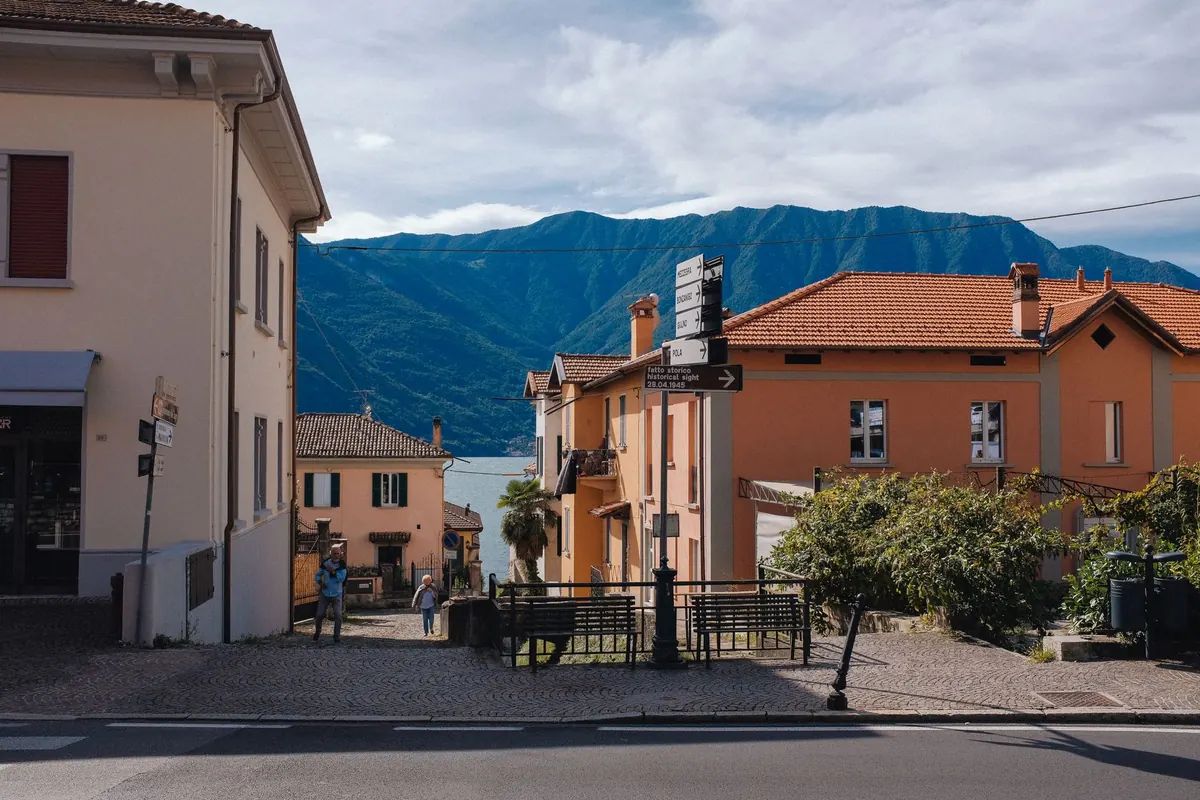
Most people fall for a village in the season that flatters it. The square is warm, someone is watering geraniums, lunch stretches to three o'clock, and the idea of moving takes hold before anyone has seen the place on a wet Tuesday in February.
The more useful question is not whether a village is beautiful. It is whether the ordinary machinery of your life still runs once the visitors have gone home: the chemist, the doctor, the bus, the bank, the neighbour who can drive you to a hospital appointment. What follows is a way to test that machinery before you commit to anything.
Map the services you actually use, not the ones brochures mention
Start with a list of what you touch in a normal week, then find each item on a map of the area. Not the nearest big town in general — the specific building, with its specific opening hours, and the road you would take to reach it.
The core set is usually shorter than people expect:
- Pharmacy, including whether it opens on Saturdays and who covers the night rota
- A doctor accepting new patients, and how many days a week the surgery is actually open
- Post office, with the counter hours rather than the sign on the door
- Bank branch or, at minimum, a working cash machine that takes foreign cards
- A grocery shop that is not a twenty-minute drive, plus the weekly market day
- Fuel station, hardware store, and somewhere to buy a decent loaf of bread
- School and school bus route, if children are part of the plan
- Mobile and internet coverage, tested inside a stone-walled house rather than on the piazza
In small villages the pharmacy often does more practical work than any other counter. It is where you get advice at nine in the evening, where prescriptions are renewed, where someone will tell you which doctor still has space on his list. If the village has no pharmacy of its own, find out whether a dispensary opens a couple of mornings a week and who staffs it.
The weekly rhythm of shopping and errands
Town life trains you to buy in twenty minutes whenever you like. Village life asks you to think in cycles. Shops close at lunchtime. Some close on Wednesday afternoons as well as Sunday. The baker goes on holiday in August, the butcher takes a week in September, and both facts are announced on a handwritten sign that you will only notice after the third wasted trip.
This is not a hardship, but it does require a different temperament. Most long-term residents keep a full pantry, a second freezer, and a rough mental calendar of who is open when. They also learn the visiting trades: the bread van, the fish van, the vegetable truck that comes down from the hills on a fixed morning. Ask a neighbour for the schedule — it is rarely written down anywhere official, and it is the single most useful piece of local knowledge you can acquire in your first month.
Then ask the harder question: what happens when the weather closes the road? Landslides, snow and flooding do interrupt rural routes. Find out from the comune which roads are cleared first and whether there is a recognised alternative.
Transport: assume the car is part of the tenancy
Rural buses are designed around people who commute to school and to work, not around people who need a dentist at four in the afternoon. The timetables are real and useful, but they thin out sharply after the morning run and often stop altogether on Sundays. Before you fall in love with a house, get the winter timetable — not the summer one — and read the last departure from the nearest town.
If you plan to drive, three things are worth confirming early: that your licence can be exchanged or recognised, that the road to the house is passable in rain and snow, and that you have somewhere to park that is not a neighbour's field. Rules on licences, residency and vehicle registration depend on your nationality and situation, so take proper advice rather than relying on forum posts.
A car also creates obligations. Winter tyres or chains, an annual inspection, insurance that reflects where the vehicle is actually kept. In hill villages, a second-hand four-wheel drive is not a style choice.
Healthcare: distance is the detail that matters
Italy's health service is generally good, but it is organised around catchment areas, and in the countryside the arithmetic changes. You register with a family doctor, and your choice is limited to those whose lists cover your address. That doctor may hold a surgery in your village two mornings a week and in the next village on Thursdays.
Find out, concretely:
- Which doctor covers the address, and whether that list is open
- Where the nearest out-of-hours service is, and how you reach it at night
- How far the nearest hospital with an emergency department is, by road, in winter
- Whether there is a pharmacy rota for nights and holidays, and where it is posted
For a healthy adult with a car, these are conveniences. For anyone managing a chronic condition, caring for an elderly parent, or expecting a baby, they become the deciding factor. Be honest with yourself about which category you are in. For anything involving a diagnosis, medication or ongoing treatment, speak to a doctor rather than to a neighbour, however kind the neighbour.
Paper, patience and the comune
Residency, waste taxes, cadastral matters, building permissions: much of rural life runs through the comune office, and its pace is set by the people who work there rather than by your urgency. Paperwork is rarely the obstacle; unpreparedness is. Arrive with documents copied, forms filled, and an appointment if one is needed.
Two practical moves make everything smoother. First, learn enough Italian to manage a counter conversation and to read a form — this is not optional in a small village, where English is thinner than in the cities. Second, find a good commercialista or advisor for tax and property questions, and a geometra for anything structural. Their fees are a form of insurance. For legal, tax or contractual matters, always take professional advice specific to your case.
Community rhythms, and the cost of belonging
You will not be welcomed because you bought a house. You will be welcomed, slowly, because you keep appearing: at the bar for coffee in the morning, at the patron saint's festival, at the clean-up of the parish hall, at the same market stall every week. Rural sociability is generous but conservative. It rewards repetition.
The same intimacy has a second face. Everyone will know when your shutters are open and when your car is gone. Some newcomers find that comforting, others claustrophobic. Test it: spend a fortnight in the village in the low season, ideally in January, and notice how the evenings feel. Winter is when a village shows you its true social life, and when the distance to a cinema, a train station or a friend's kitchen is measured in real time.
A practical checklist before you commit
- Stay a week in winter, not a weekend in spring.
- Drive the route to the nearest hospital and the nearest station at rush hour.
- Collect the winter bus timetable and the pharmacy night rota.
- Ask at the comune which doctor covers the address and whether the list is open.
- Test internet and mobile signal inside the house, in every room.
- Ask two people who moved in during the last five years what surprised them.
- Get written answers on water, heating and waste costs before signing anything.
- Check that everyday essentials — bread, cash, a hardware store — are within a distance you would accept on a bad day.
None of this drains the pleasure out of a small Italian village. It simply protects it. Do the unglamorous checking first, and the long lunches afterwards will feel like what they should be: ordinary life, well arranged.
Photo: Huy Phan / Pexels