

What to Plant in a Central Italian Garden Each Month
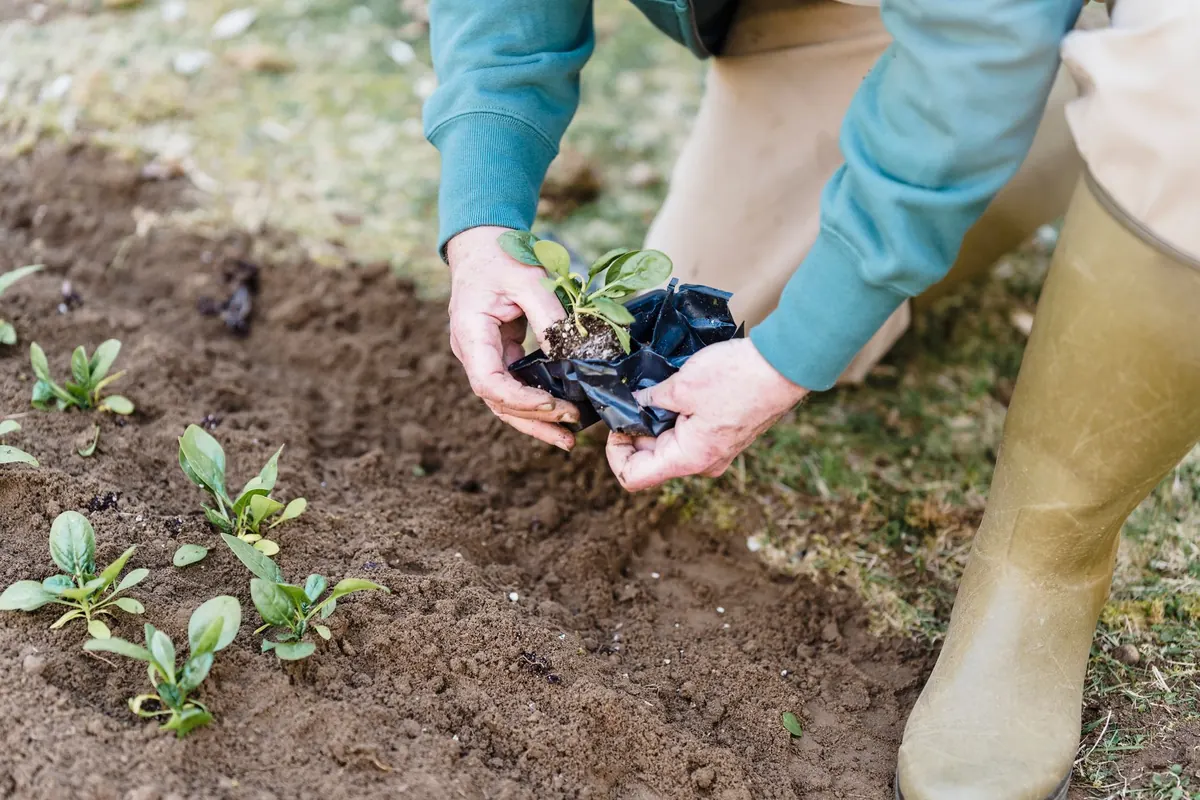
Central Italy rewards a gardener who pays attention. The seasons here are legible — wet autumns, sharp January mornings, a long dry stretch in July — and a garden planted in step with them needs far less coaxing than one that fights the calendar. What changes from one valley to the next is the timing. A reader in coastal Maremma, a hillside plot above Perugia and a walled garden in a cold Abruzzo hollow are all working in "central Italy", yet their last frost can fall three or four weeks apart.
So treat the months below as a framework, not a rulebook. Then bend them to your own ground, your own slope, your own patch of sky.
Before the calendar: know your microclimate
Two dates organise everything: your last frost in spring and your first in autumn. Coastal areas and the larger lakes usually clear frost by late March or early April; inland hills often wait until mid-April, and cold hollows can hold a frost into the first week of May. Write your own dates down after a season of watching, because the difference of a fortnight decides whether a tray of tomato seedlings thrives or sulks.
Altitude matters as much as latitude. Every hundred metres of height buys you a slightly later spring and an earlier autumn, which shortens the window for long-season crops such as peppers, aubergines and squash. Slopes facing south warm early and dry out fast in summer; north-facing ground stays cool and holds moisture. A wall, a hedge or a stone terrace can shift a planting date by a week or two, and a simple row cover or small tunnel does the same for a fraction of the cost of a greenhouse.
Ask what your neighbours grow and when they sow it. Local nurseries sell seedlings timed to the local season, which is often more reliable information than any chart. Keeping a few seeds from plants that do well — a sturdy bean, a favourite tomato, a patch of parsley that survives the winter — gradually builds a garden adapted to your exact spot.
January and February: quiet groundwork
These are planning months more than planting months, though the ground is rarely completely idle. Garlic set out in autumn is already rooting, and broad beans sown in November are usually standing firm. Under a cold frame or in a sheltered corner you can keep lamb's lettuce, winter purslane and a few hardy salad leaves coming for the kitchen.
Use the wet, short days for the jobs that pay off later:
- Prune apple and pear trees while they are dormant, and finish olive pruning towards the end of winter, before growth restarts.
- Clean, sharpen and oil tools; scrub seed trays and pots before the spring rush.
- Order seeds and seed potatoes, choosing varieties suited to your altitude rather than the photograph on the packet.
- Spread well-rotted compost on empty beds and let the weather work it in.
- Sow tomatoes, peppers and aubergines under heat from late February if you have a warm windowsill or heated propagator — later if you garden high up.
In February, direct-sow broad beans, early peas and spinach where the soil drains well, and start parsley and chives indoors. If the soil is waterlogged, wait. Working wet clay does more damage than a fortnight's delay.
March to May: the sprint
March is the month the garden wakes up. Direct-sow radish, carrots, lettuce, spinach and beetroot, plant onion sets and shallots, and put in early potatoes from mid-March onwards. Divide overcrowded perennials, cut back winter-damaged shrubs and prune roses as the buds begin to swell. Hardy annual flowers — cornflower, calendula, sweet peas — can go in now, either direct or in modules.
April is where judgement matters. In mild coastal gardens, tomatoes, peppers and basil can go out after mid-month; inland and uphill, wait until the last week or push into early May. Harden seedlings off over a week or more, a few hours outside each day, rather than moving them straight from warm windowsill to cold bed. Direct-sow chard, beetroot, dill and coriander, and plant out lettuces in succession every two or three weeks so you are not harvesting twenty heads at once.
May is the big planting month. Courgettes, cucumbers, squash, sweetcorn, climbing and bush beans, basil, and tender annuals such as cosmos, zinnia and nasturtium all go out once the soil has warmed and the frost risk has passed. Keep a fleece handy for a late cold night. Water new transplants in well, mulch around them, and stake anything tall before it needs it.
June to August: harvest, water, look ahead
Summer is about keeping the garden productive rather than adding to it. Sow short rows of beans, lettuce, rocket and radish every few weeks in any gap. Pinch out tomato sideshoots, feed fruiting crops, and mulch heavily to hold moisture — a deep soak twice a week does more than a light sprinkle every evening.
July is the moment to sow for winter. Winter brassicas, chicory, fennel and autumn/winter salads can all go in now, and the ground cleared of early potatoes is ideal. In August, as onions and garlic come out, sow spinach, valerian, radish and rocket for autumn picking. Order spring bulbs while the choice is best, collect seed from your strongest flowers, and start clearing beds that will be planted in September.
September to November: the second season
Autumn in central Italy is often kinder than spring: warm soil, cooler air, reliable rain. September is for transplanting winter brassicas, sowing spinach and winter salads, planting strawberries, dividing herbs and sowing a green manure such as vetch or field beans on any bed that would otherwise sit bare.
October brings garlic — plant cloves pointed end up, a hand's width apart — and, in mild coastal gardens, the first broad beans. Clean and store squash and pumpkins properly, earth up leeks, and plant tulips, narcissus and alliums from late October into November. November is olive harvest time across much of the region, and the month to finish planting garlic, put in broad beans on light soil, mulch tender perennials and protect artichokes with straw. Take hardwood cuttings of rosemary, sage and lavender if you want more plants for free.
December: closing the year
Growth slows, but the garden still gives. Lift leeks, parsnips and Jerusalem artichokes as needed, cut winter salads under cover, and check stored squash and apples for rot. Mulch empty beds with compost or leaves and leave them alone. Stay off wet soil. Order next year's seeds, read through your notes, and enjoy the fact that the shortest days mean the season is already turning.
A rhythm that works better than any chart
Keep a notebook, even a scruffy one. Note the date of your last frost and your first, when the first tomato ripened, when the beans stopped producing. After two or three years you will have a calendar written for your own garden, and it will be more useful than anything general.
Walk the plot once a week with a mug of coffee and no tools. Look at what is bolting, what is yellowing, what the slugs have found. Then act on one thing. Gardening in this part of the world is less about perfect timing than about steady, unhurried attention — sow a little often, water deeply but not daily, feed the soil with compost, and let the seasons do the rest.
Photo: Greta Hoffman / Pexels