



Keeping Chickens vs. Ducks on a Small Farm: Which Fits Your Routine?
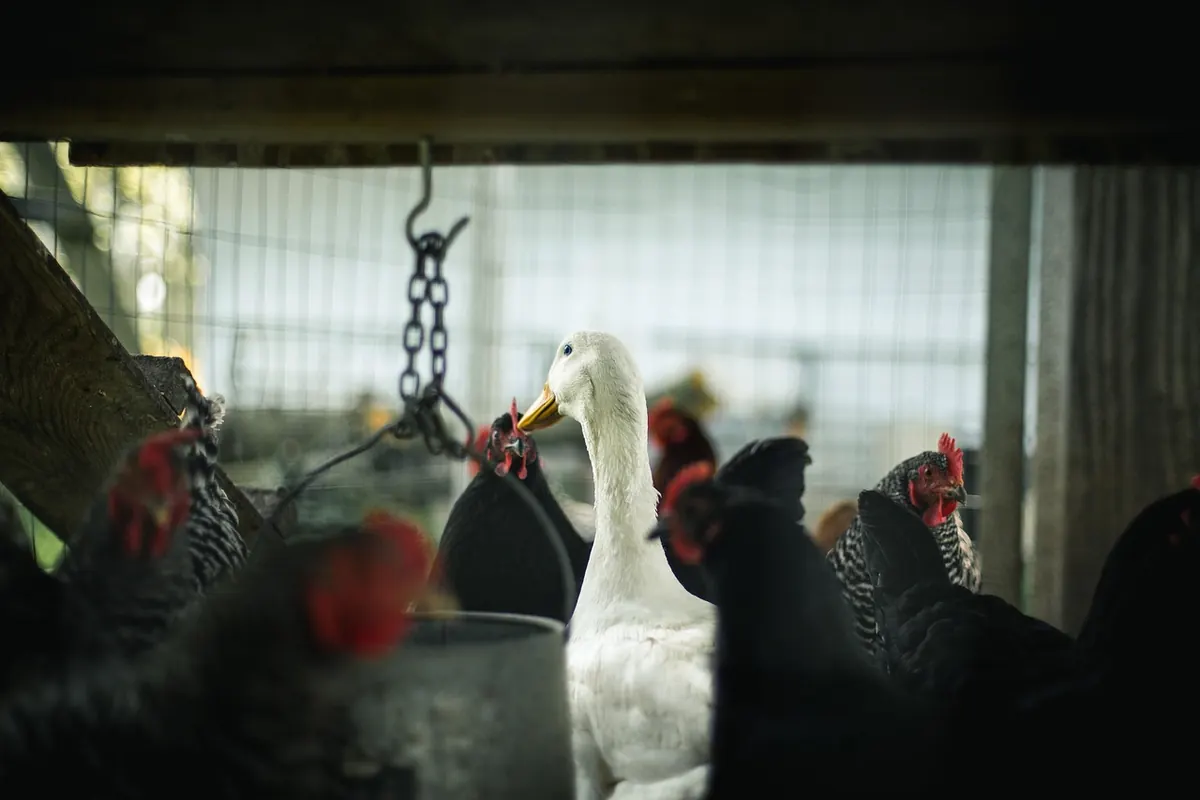
Chickens and ducks both give you eggs, both need somewhere secure to sleep, and both will follow you across the yard the moment you pick up a bucket. That is roughly where the similarities end. One leaves your paths scratched and your beds weeded; the other turns a corner of the garden into something resembling a swamp, then eats every slug in sight. Choosing between them comes down less to which bird is better and more to which one fits the way you actually spend your mornings.
Housing: the same job, two different shapes
A chicken house is essentially a climbing frame with a door on it. Hens want to be off the ground at night, so plan for perches — a rough guide is 20–25 cm of perch length per bird, set flat and wide enough for feet to wrap around — plus nesting boxes in the darkest corner, roughly one for every four or five hens. Ventilation should sit high above head height, with no draught at perch level. Chickens also need height in the run: something to flutter up onto, a stump, a bench, a dust bath of dry soil and ash.
Ducks want none of that. Most domestic ducks do not roost; they settle on the floor in a huddle, so the house needs floor area rather than height. Nests go on the ground, and the bedding needs to be deep and genuinely dry — straw over a membrane works well, because ducks arrive wet and carry the damp in with them. Muscovies are the exception: they perch readily and behave in several ways more like chickens.
Plan the water outside the house
Whatever you build, put the drinking water outside the shelter and on a base that drains — a gravel pit, a tray of stones, a length of hose running to a flower bed. Ducks need water deep enough to submerge their bills, because that is how they keep their nostrils and eyes clean. Give them a bowl they cannot climb into and you will spend your life scrubbing it. Give them a bucket and no drainage and you will spend your life shovelling mud.
Feeding and the daily dish situation
Both species do well on a good-quality layers pellet, with mixed corn in the evening during cold weather and a separate dish of oyster shell so each bird can top up calcium as it needs. Chickens need grit if they are getting anything beyond pellets. Skip salty, mouldy or avocado scraps, and keep kitchen leftovers to a modest share of the ration.
Ducks eat much the same food but make a considerably bigger performance of it. They need water available whenever they eat, since dry feed is hard for them to swallow, and they will turn a clean bowl of pellets into soup within twenty minutes. Feed them in a shallow, heavy dish and accept that some of it will end up on the ground. If you are raising ducklings, note that their start differs from chicks: they need a niacin source, and medicated chick starter is generally not the right feed for them.
Eggs: steady supply or a richer basket
Chickens are the reliable choice if you want eggs in the pan most days. A productive hybrid will lay through most of the year; older pure breeds are more seasonal but often keep going for longer. Expect a proper slow-down in the moult, and shorter days to thin the supply unless you add light — which many smallholders decide is not worth the fuss.
Ducks lay fewer, larger eggs with notably rich yolks. Bakers tend to love them for cakes and custard; the whites behave a little differently when whipped, so try one recipe before you commit a whole batch. Ducks also lay early, often before you are awake, and they can be maddeningly good at hiding a clutch in the long grass. Laying is more seasonal than with chickens, and breeds vary widely, so choose with that in mind rather than assuming every duck performs like a Khaki Campbell.
Noise, neighbours and temperament
Hens are mostly quiet, with a burst of clucking after an egg and a bit of grumbling at dusk. A rooster is a different proposition entirely: loud, early, and banned in plenty of residential areas. If you have close neighbours, hens only is the safer plan.
Ducks are the reverse of their reputation. Drakes are raspy and fairly quiet, but the females quack — loudly, and with enthusiasm, especially at dawn and whenever they hear a door. Muscovies barely quack at all, which is one reason they suit small plots. Before you build anything, check what your municipality and region allow: rules on poultry in gardens vary a great deal from one place to the next, and a five-minute call saves a season of argument.
Mess, smell and what they do to the garden
Chickens scratch. They will fling mulch onto the path, dust-bathe in your seedbed and leave droppings exactly where you want to kneel. In exchange they are excellent compost workers: put them on a spent bed in autumn and they will clear it, fertilise it and eat the grubs. Their manure is strong, so compost it before it goes on beds rather than spreading it fresh.
Ducks make a different kind of mess. Water plus bare soil equals mud, and a duck's bill is a small drilling tool that will happily probe every soft spot you own. Young seedlings are a favourite. But they eat slugs and snails with real efficiency, they do not scratch, and their bedding composts into something lovely. If you already have a damp, awkward patch of ground you never mow properly, ducks will feel at home there.
The daily routine, hour by hour
Neither bird is demanding once the setup is right, but the shape of the work differs. A chicken routine is mostly vertical — opening pop holes, checking perches, reaching into nest boxes. A duck routine is horizontal and wet: hauling drinkers, rinsing bowls, topping up bedding.
A realistic day looks like this:
- Morning: open the house, count heads, fill feeders, refresh drinkers, collect eggs.
- Midday: check water again in hot weather, confirm shade is working, collect a second time if your layers are keen.
- Evening: top up feed, close the pop hole, count heads again — a missing bird at dusk is a predator warning, not forgetfulness.
- Weekly: turn or replace bedding, scrub drinkers, look at feet and eyes, check for mites.
- Seasonally: dry bedding and unfrozen water in winter, shade and cool water in summer, and a serious look at locks and wire before autumn.
Ducks add one recurring job to that list: managing water so the ground around it never becomes a permanent puddle. Chickens add another: keeping an eye on the pecking order when you introduce new birds.
Which one fits your routine?
Choose chickens if you want a steady supply of eggs, a garden helper that works the soil, and a routine that stays manageable in a small space with neighbours nearby. Choose ducks if you have wet ground you would rather put to use, a slug problem you have given up on, and no objection to loud females and muddy boots. Muscovies sit neatly between the two.
Whichever you pick, start smaller than you think you should. Four or five birds will teach you more in a season than a year of reading, and the housing is the part worth overspending on — good wire, proper locks and a dry floor solve most beginner problems before they start. Health issues are worth a call to a vet who knows poultry rather than a guess from the internet. And if you are torn, keep both: separate houses, separate drinkers, and a fence between them keeps cross-species pests and squabbles to a minimum.
Photo: tookapic / Pixabay